Most conversations about data interoperability start in the wrong place.
They focus on standards. Schemas. Infrastructure.
But there’s a more fundamental issue:
We don’t have visibility into how data is actually acquired and licensed.
Right now, dataset transactions are largely opaque.
-Pricing is inconsistent.
-Terms are unclear.
- Comparisons are difficult.
And without comparability, interoperability stalls.
Because interoperability isn’t just a technical problem, it’s an economic one.
If datasets can’t be evaluated against each other, in terms of cost, rights, scope, and context,they can’t be reliably combined, substituted, or integrated.
Transparency changes that.
When acquisition and licensing signals become visible:
-Patterns begin to emerge
-Benchmarks become possible
-Data assets become comparable
That comparability is what enables interoperability.
Not perfectly. Not immediately. But structurally.
This is one of the reasons we built DatFlash.
Not as a solution—but as a starting point:
A growing set of publicly traceable dataset transactions, including buyers, sellers, sources, and observed pricing signals.
Because before data can interoperate, it needs to be understood.
And before it can be understood, it needs to be visible.
Curious how others are thinking about this.

DatFlashTM tracks real-world dataset transactions and
supply signals, normalized for AI decision-making.
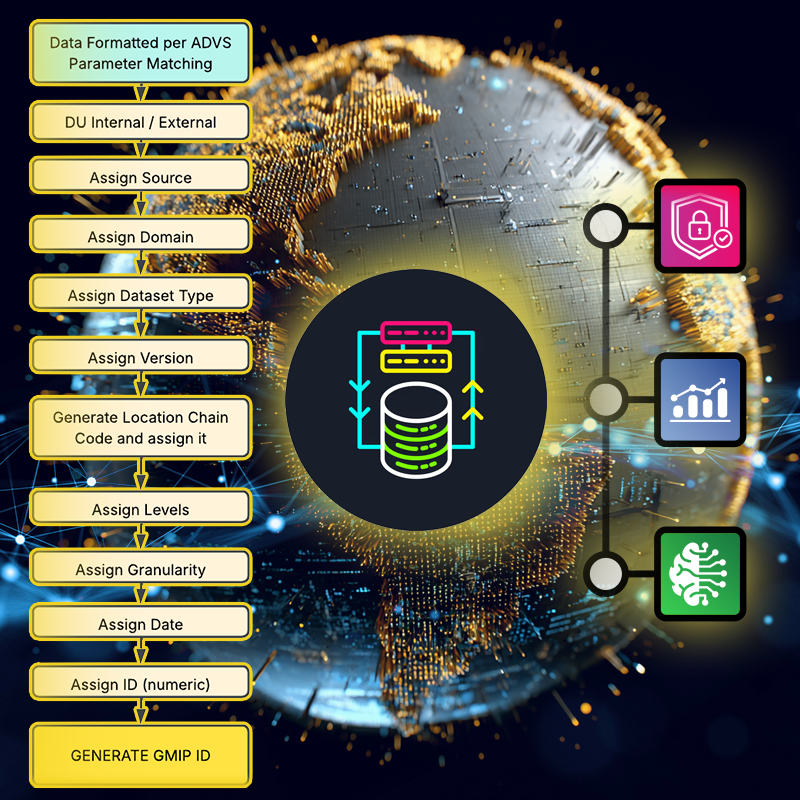
Data Transparency, the First Step Towards Governed Interoperability
April 2026